
Skip to content

Search

Latest Stories

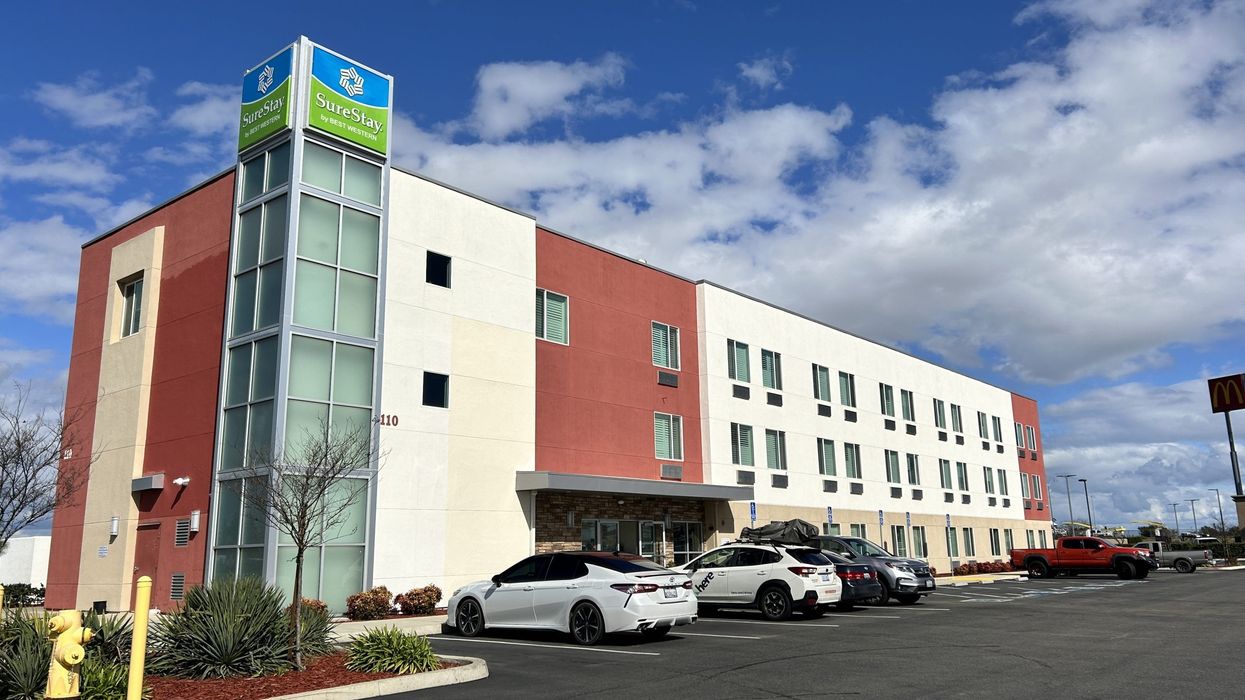
SureStay by Best Western debuts in Livingston, California

The newly renovated 76-room hotel is owned by Tushar Patel

SureStay by Best Western debuts in Livingston, California

The SureStay by Best Western Livingston Merced County, owned by Tushar Patel, is now open in Livingston, California. The recently renovated hotel features 76 guest rooms, Best Western said in a statement.

“The SureStay by Best Western Livingston Merced County provides guests with the excellent comfort, outstanding value and warm service they are looking for in a hotel stay,” said Dave Panas, SureStay Hotels' managing director of operations. “After spending more than half a million dollars on our renovation, we are thrilled to introduce visitors to Livingston to this new and superior hotel experience.”


The property is near the University of California, Merced, Castle Air Museum, and several government offices, the statement said. It also serves as a stopover for travelers heading to Yosemite National Park or Pinnacles National Park, both less than a two-hour drive from Merced.

“Our hotel offers the most value and best service for both business and leisure travelers staying in Livingston,” said Patel, its owner. “Guests of our hotel will appreciate our complimentary amenities, including continental breakfast and high-speed internet throughout the hotel.”

In February, the 57-room SureStay by Best Western Huntsville University Area, with Ankit Patel as general manager, opened its doors in Huntsville, Alabama.

More for you

Trump policies took center stage in 2025
Photo by Win McNamee/Getty Images

Trump policies took center stage in 2025

Summary:

  • Policy shifts and trade tensions shaped the U.S. hospitality industry.
  • A congressional deadlock triggered a federal shutdown from Oct. 1 to Nov. 12.
  • Visa limitations and the immigration crackdown dampened international travel.

THE U.S. HOSPITALITY industry navigated a year of policy shifts, leadership changes, trade tensions and reflection. From Washington’s decisions affecting travel and tourism to industry gatherings and the loss of influential figures, these stories dominated conversation and shaped the sector.

Policy uncertainty took center stage as Washington ground to a halt. A congressional deadlock over healthcare subsidies and spending priorities triggered a federal government shutdown that began on Oct. 1 and lasted until Nov. 12. The U.S. Travel Association warned the shutdown could cost the travel economy up to $1 billion per week, citing disruptions at federal agencies and the Transportation Security Administration. Industry leaders said prolonged gridlock would further strain hotels already facing rising costs and workforce challenges.

Keep ReadingShow less