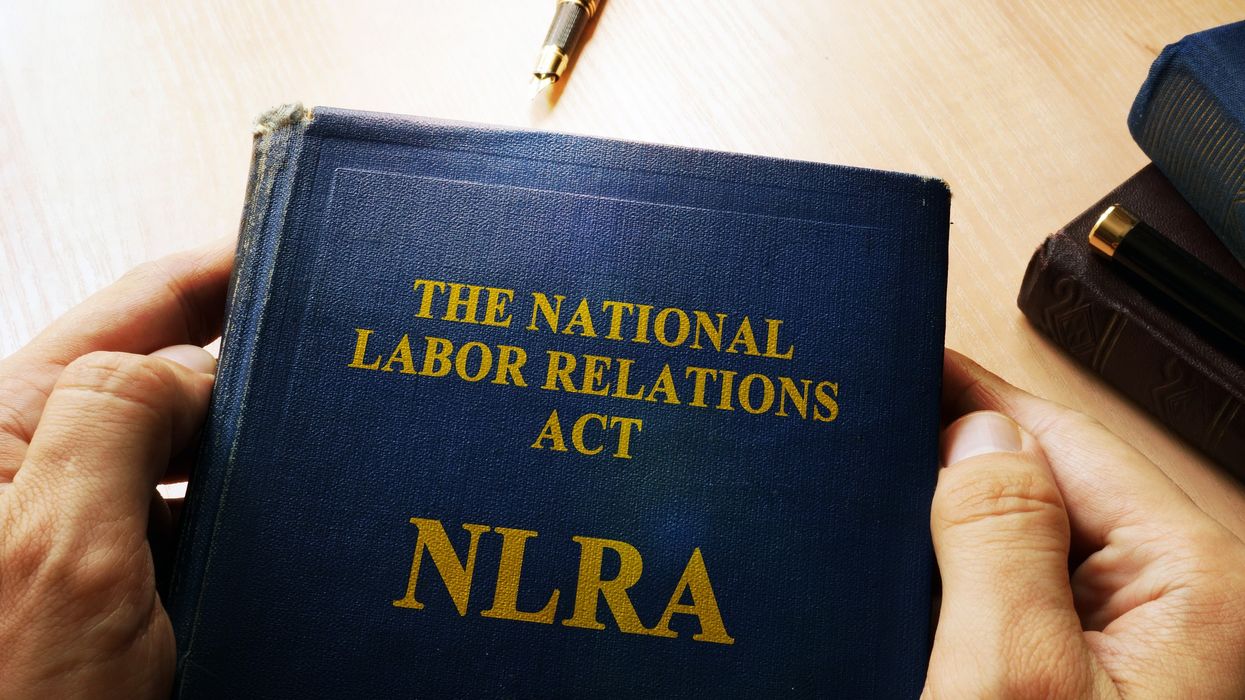

THE U.S. HOUSE of Representatives recently passed a Congressional Review Act resolution to overturn the National Labor Relations Board’s October ruling on its definition of joint-employer status. The American Hotel & Lodging Association welcomed the resolution, but President Biden has promised to veto it.
The NLRB ruling, issued Oct. 26 and due to take effect Feb. 26, defines a joint employer to be any company that shares or codetermines one or more essential terms and conditions of employment. Those include ages, benefits, and other compensation; hours of work and scheduling; the assignment and supervision of duties to be performed; work rules and tenure of employment.
The final rule rescinds the 2020 rule that was promulgated by the prior board and applies the new definition of joint employer to any entity that can control the essential terms of employment whether or not such control is exercised and without regard to whether any such exercise of control is direct or indirect. House Joint Resolution 98 would nullify the NLRB’s rule.
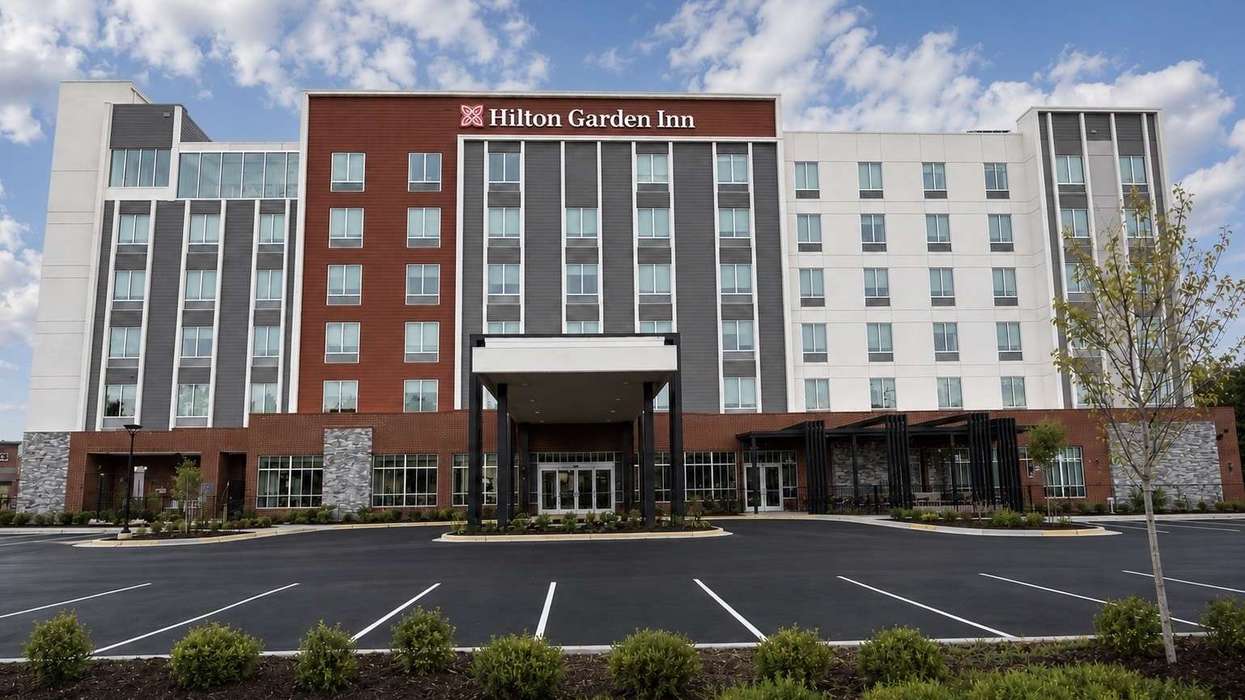
A threat to the franchise model
AHLA and others in November filed a lawsuit in the U.S. District Court for the Eastern District of Texas against the NLRB and Biden administration to stop implementation of the rule. The association welcomed the House bill in a statement that called the new NTSB rule “dangerous.”
“Today’s House vote is a victory for common sense. Neither companies nor their employees want this job-killing regulation, which will destroy the franchise model that supports millions of small business jobs,” said Chip Rogers, AHLA president and CEO. “The bipartisan nature of this vote underscores how destructive this misguided Biden administration rule would be to our fragile economy, and we thank Dr. Foxx, Rep. James, and Speaker Johnson for making this a priority. We urge the Senate to stand up for America’s workers and pass this resolution as soon as soon as possible.”
In its statement, AHLA claims the NLRB’s joint-employer regulation is meant to increase unionization.
“The regulation makes it easier for the NLRB to declare joint employment status in business relationships, such as franchising, and it will enable unions to organize by company rather than property by property,” AHLA said. “Joint employer will take a wrecking ball to the franchise model by classifying franchisors as a joint employer of a franchisee’s staff, even if the franchisor has no direct control over workplace rules and conditions.”
The federal Congressional Review Act allows Congress to repeal agency rules within 60 days of their adoption, according to Reuters. According to the article, the resolution only needs the support of a majority in the House and Senate to pass, but would require a two-thirds majority to overcome a Biden veto.
The White House Office of Management and Budget told Reuters that the H.J. Res. 98 would interfere with workers' rights to bargain for better working conditions.
"Reversing this rulemaking will prevent workers from exercising their right to bargain for higher wages, better benefits, and safer working conditions," the OMB said. "Too often, companies deny workers this right by hiding behind subcontractors, staffing agencies, and temporary agencies."